
What Is Weaning A Simple Guide to the Transition from Breastfeeding or Bottle Feeding
Updated: Sep 3
Weaning can feel like a big milestone, but it rarely happens all at once. For most babies, it is a gradual shift from getting all nutrition through breast milk or formula to getting more nutrition from solid foods, cups, and family meals. The word can mean two related things. Sometimes it means introducing solid foods while continuing breast or bottle feeds. Other times, it means ending breastfeeding or bottle feeding completely.

What weaning means for babies and caregivers
Weaning is the process of helping a baby move from breast milk or formula as the main food source toward solid foods and drinks from a cup. It can happen slowly over months, and that is normal. There are three common types of weaning:
Starting solids A baby begins tasting foods such as iron-fortified baby cereal, mashed vegetables, soft fruits, yogurt, or finely shredded meats while still taking breast milk or formula.
Weaning from breastfeeding Nursing sessions are gradually reduced and replaced with bottle feeds, cups, snacks, meals, or comfort routines.
Weaning from a bottle Bottle feeds are reduced as a child learns to drink from an open cup, straw cup, or sippy cup and gets more nutrition from meals.
Many families do more than one of these at the same time. For example, a baby may start solids around 6 months, continue nursing or taking formula, and later transition away from bottles closer to toddlerhood. The goal is not to rush. The goal is to help the child get the nutrition, comfort, and skills they need at each stage.
When weaning usually starts
In the United States, pediatric guidance commonly recommends starting solid foods around 6 months, while continuing breast milk or formula. Some babies show readiness a little earlier, but solids are generally not recommended before 4 months. Signs a baby may be ready for solids include:
Sitting with support and holding the head steady
Showing interest in food
Opening the mouth when food comes near
Moving food from a spoon toward the throat instead of pushing it all out
Still seeming hungry after regular milk feeds
Readiness matters more than the calendar alone. A baby who is 6 months old but not able to sit with support may need more time. A pediatrician can help if growth, feeding, allergies, reflux, or prematurity are part of the picture.
Weaning from breastfeeding or bottles often happens later than starting solids. Some babies naturally drop feeds as they eat more. Others need a slower plan because feeds are tied to sleep, comfort, or routine.

How to start weaning in a gentle way
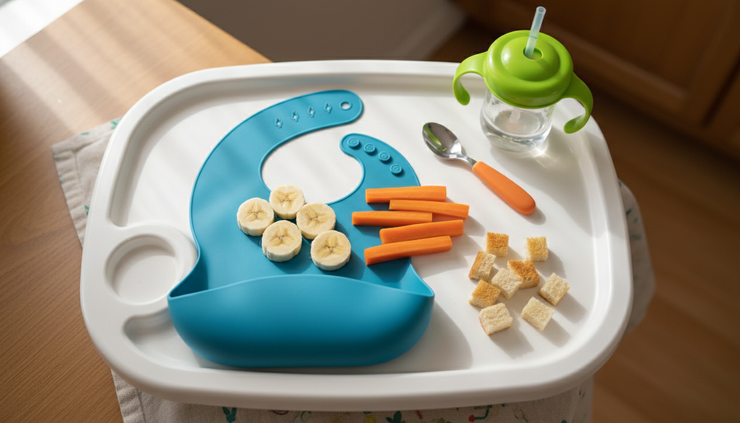
A calm, gradual approach usually works best. Sudden changes can be hard for babies and caregivers, especially when feeding is also a source of comfort. Start with one small meal a day. Pick a time when the baby is alert, not overly hungry, and not too tired. A few spoonfuls is enough at first. Early meals are about practice, not volume. Good first foods are soft, smooth, and easy to swallow. Many families start with:
Iron-fortified infant cereal mixed with breast milk or formula
Mashed banana
Pureed peas, carrots, squash, or sweet potato
Mashed avocado
Plain yogurt, if recommended for the baby’s age
Soft, finely shredded meats or beans
Offer one new food at a time when possible, especially if there is a family history of allergies. Watch for reactions such as rash, vomiting, swelling, wheezing, or repeated diarrhea. Seek medical care right away for severe symptoms. As skills grow, textures can move from smooth purees to mashed foods, then soft finger foods. Babies learn by touching, smelling, and making a mess.
Weaning from breastfeeding
Weaning from breastfeeding can bring mixed feelings. It may feel freeing, emotional, practical, sad, or all of those at once. A slow approach can help both the child and the nursing parent adjust. Try removing one nursing session every few days or once a week. If breasts feel very full, hand express or pump just enough for comfort. Emptying the breast fully can signal the body to keep making milk, so aim for relief rather than a full pumping session unless advised otherwise. Some children accept the change more easily when another caregiver handles a usual nursing time. Others need extra closeness from the nursing parent. Comfort does not have to disappear just because nursing changes. Helpful replacements include:
A snack and water in a cup
Extra cuddles
A familiar song
A bedtime story
Rocking or gentle back rubs

Weaning from bottles
Bottle weaning is often less about nutrition and more about routine. Babies and toddlers may love the bottle because it is familiar, soothing, and linked to sleep. A gradual plan can make the change easier. Start by offering milk, formula, or water in a cup during meals. Let the child practice even if only a little gets swallowed. Then reduce bottle use during the day before tackling nap or bedtime bottles. Keep the bedtime routine predictable, but shift the bottle earlier. For example, offer milk before brushing teeth, then move to pajamas, books, and cuddles. Try not to let a child fall asleep with a bottle. Milk or formula that pools around the teeth during sleep can raise the risk of tooth decay.
What to expect during the transition
Weaning can change appetite, sleep, diapers, mood, and routines. Some days a baby may eat well. Other days they may refuse everything except milk. Watch the bigger pattern instead of one meal. A growing baby who has wet diapers, steady energy, and regular checkups is usually getting what they need.
Call a pediatrician if there are concerns about:
Poor weight gain
Frequent choking, gagging, or coughing with feeds
Signs of dehydration
Repeated vomiting
Blood in stool
Strong food reactions
Refusal of both milk and solids
The simple takeaway
Weaning is a gradual transition, not a single event. It can mean starting solids, reducing breastfeeding, moving away from bottles, or all three. Start when the baby shows readiness, move at a steady pace, and keep feeding calm. Breast milk or formula still matters during early solids, and comfort still matters when milk feeds begin to fade. The best weaning plan is one that supports growth, safety, and connection. Small steps count. So do messy spoons, half-finished cups, and quiet cuddles after a changed routine.


Comments